History & origins
The History & Origins of Hommos
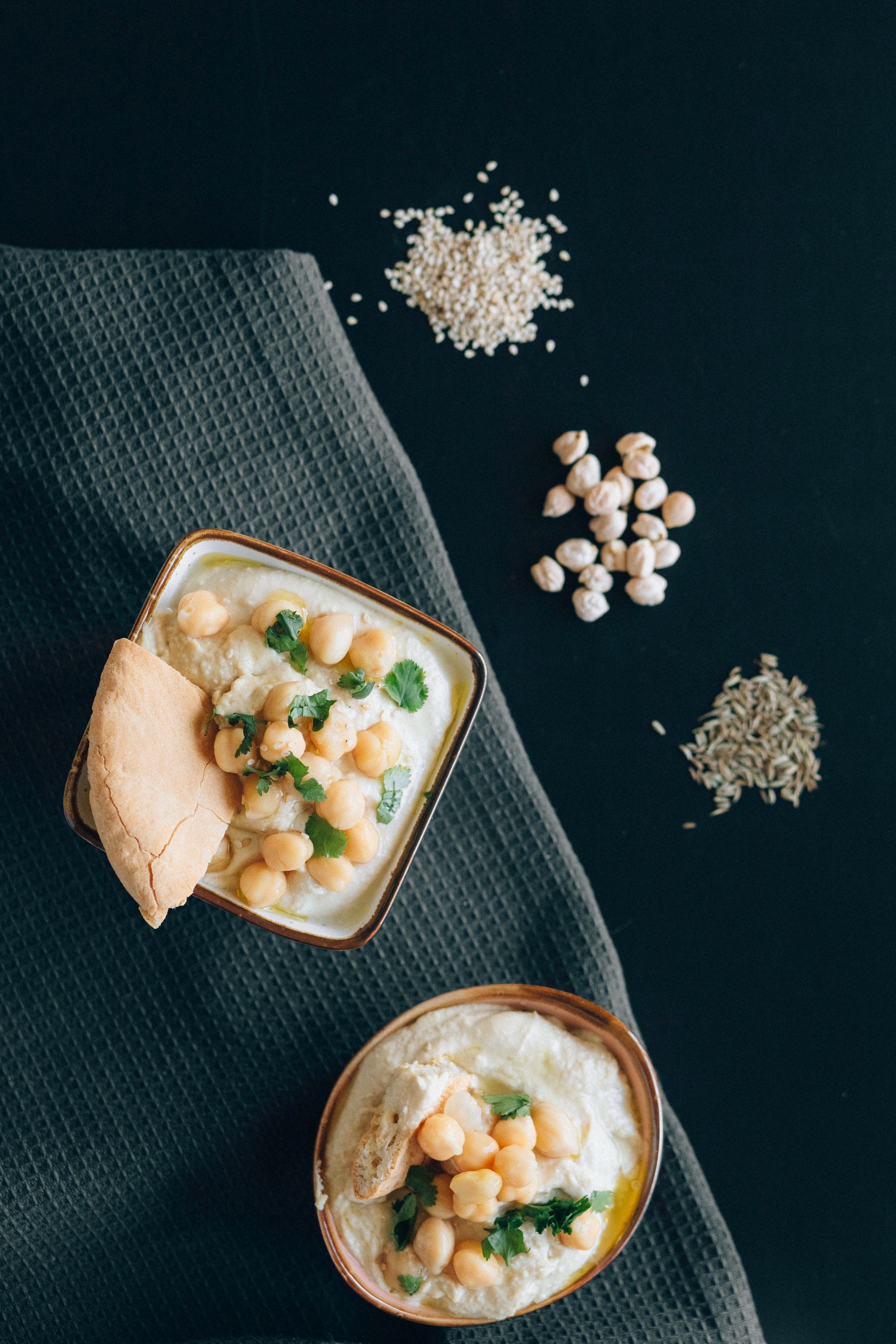
Hommos belongs to a long culinary tradition built around chickpeas, sesame, lemon, garlic, bread, olive oil and shared dishes.
The short answer
Hommos is part of the wider culinary heritage of the Levant and Arab world. Its early history is difficult to reduce to a single inventor or date because chickpea-and-sesame preparations developed over generations.
Ancient ingredients, evolving dish
Chickpeas and sesame have long histories across the eastern Mediterranean and Middle East. The combination of pulses, sesame paste, acidity and aromatics reflects a broader culinary tradition rather than a modern invention.
Hommos and mezze
Hommos is closely associated with mezze and communal eating: a style of dining in which several dishes are shared around a table. That setting helped the dish travel and adapt.
A global food
Today hommos is served in homes, restaurants and shops around the world. Its basic ingredients remain recognisable even as texture, toppings and serving styles vary.
Reading food history carefully
Food traditions are often older and more interconnected than a single origin story suggests. The most useful history separates documented evidence from later claims and acknowledges gradual culinary development.
Keep exploring
Related resources